Retrieved from PubMed Central: Collins, L., & Costello, R
doi: 10.2807/1560-7917.Es.2015.20.46.30066 61 GibsonPGQinLPuahSH
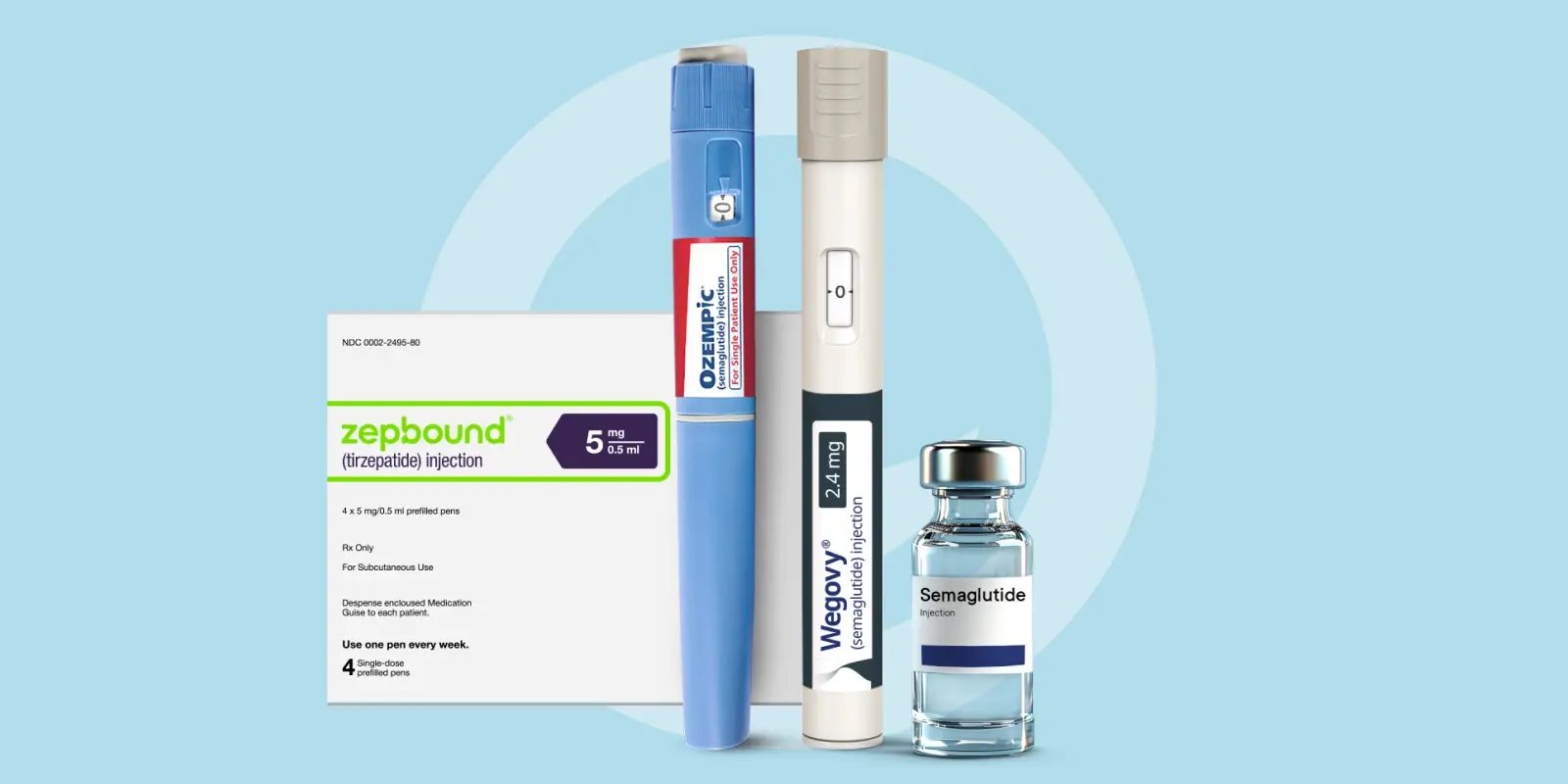
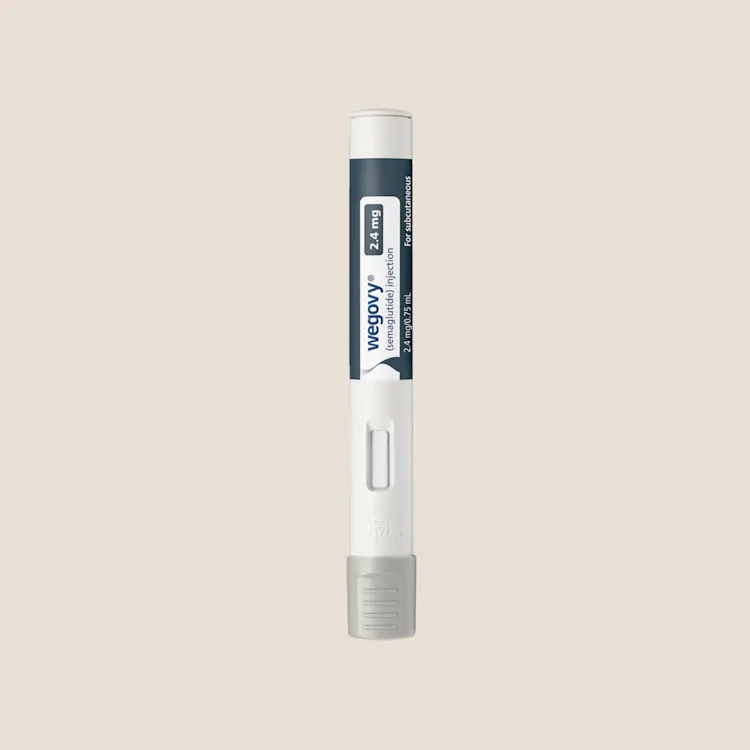
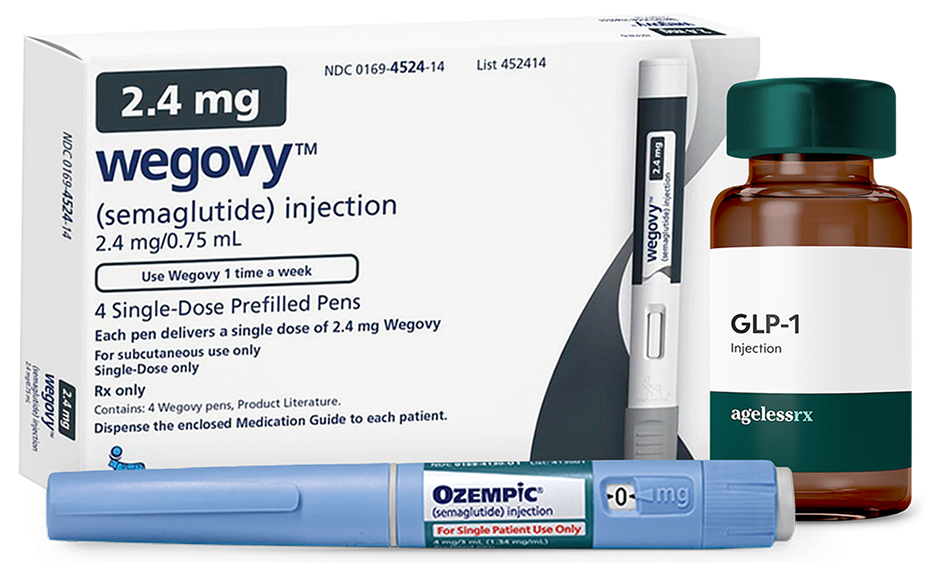
A new Gallup poll shows 11% of adults say they are currently using one, a dramatic increase from just two years ago, when 3% said they were using them

this off-label use is not backed by the same level of controlled human trial evidence as the lipodystrophy indication Known risks and side effects: Injection site reactions, including erythema, pruritus, pain, and bruising at the injection site Arthralgia (joint pain) and peripheral edema (fluid retention), recognized class effects of GH-axis stimulation Increases in blood glucose and reduced insulin sensitivity, with clinical trials showing a higher rate of elevated HbA1c and new-onset hyperglycemia versus placebo Formation of anti-tesamorelin antibodies, reported in a substantial proportion of treated patients, with unclear long-term clinical significance Contraindicated in people with active malignancy, pituitary or hypothalamic disruption, or pregnancy, per FDA labeling Evidence snapshot: The strongest evidence is a set of Phase 3 human randomized controlled trials that supported FDA approval of tesamorelin for reducing visceral abdominal fat in HIV-associated lipodystrophy (approved 2010), plus a separate placebo-controlled human RCT (Baker et al., 2012, Archives of Neurology) showing improved executive function in older adults

Propranolol and atenolol are used to symptomatically control the tachycardia (rapid heart rate), tachypnea (rapid respiratory rate), hypertension and hyperexcitability associated with hyperthyroidism
Specifically, researchers are investigating the mitochondriathe microscopic powerhouses within our cells responsible for generating the energy required for every bodily function












.jpg)