In this context, it is plausible to consider A1AT as a protective host factor against COVID-19, not only decreasing SARS-CoV-2 entry, but also protecting from the main clinical complications, such as acute inflammation and acute respiratory insufficiency ( Figure 3 3 Conclusion Considering the cumulative evidence supporting the beneficial effects of A1AT in chronic inflammatory diseases, it is important to conduct comprehensive clinical studies to ascertain its true clinical efficacy in patient populations affected by each specific disease
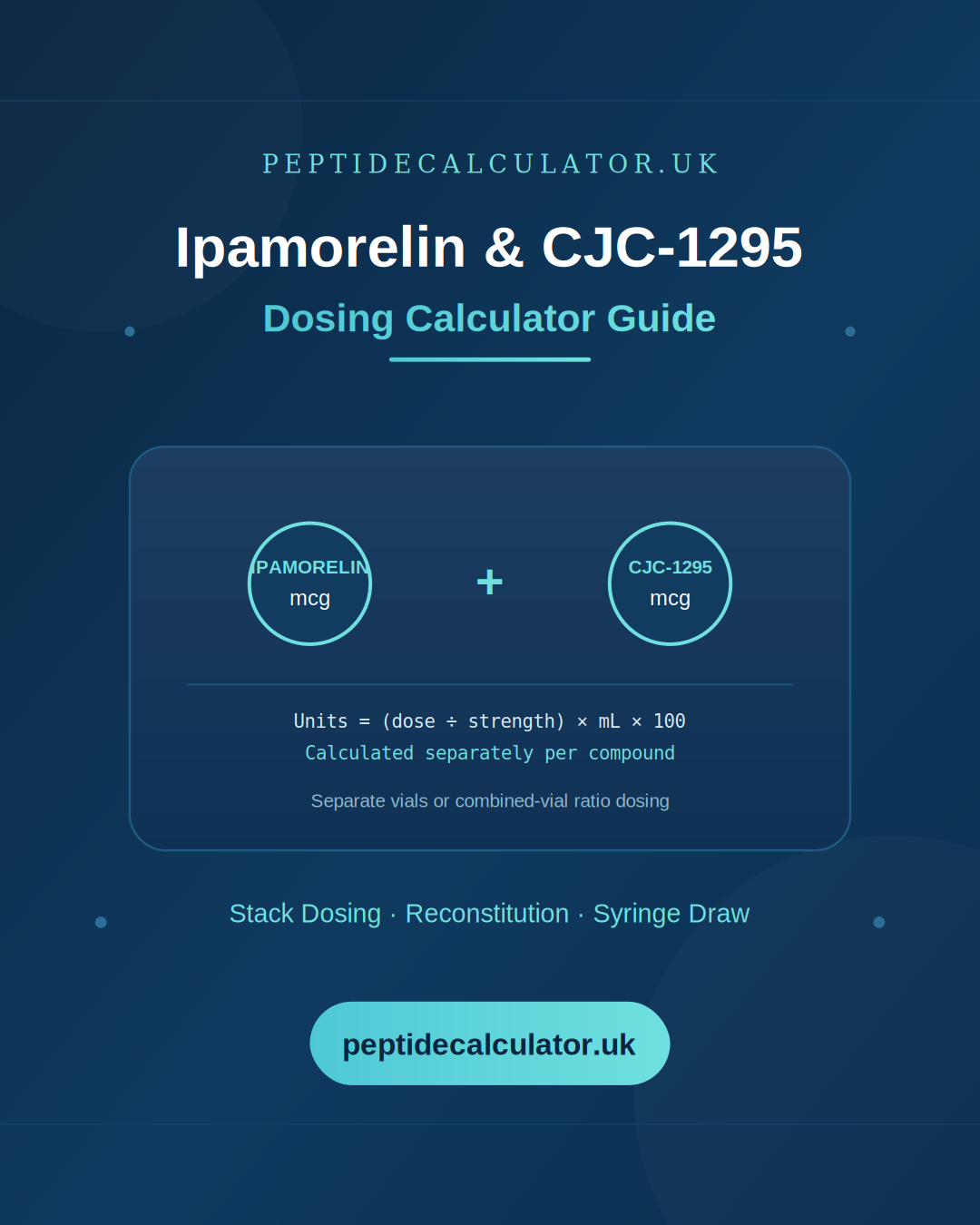
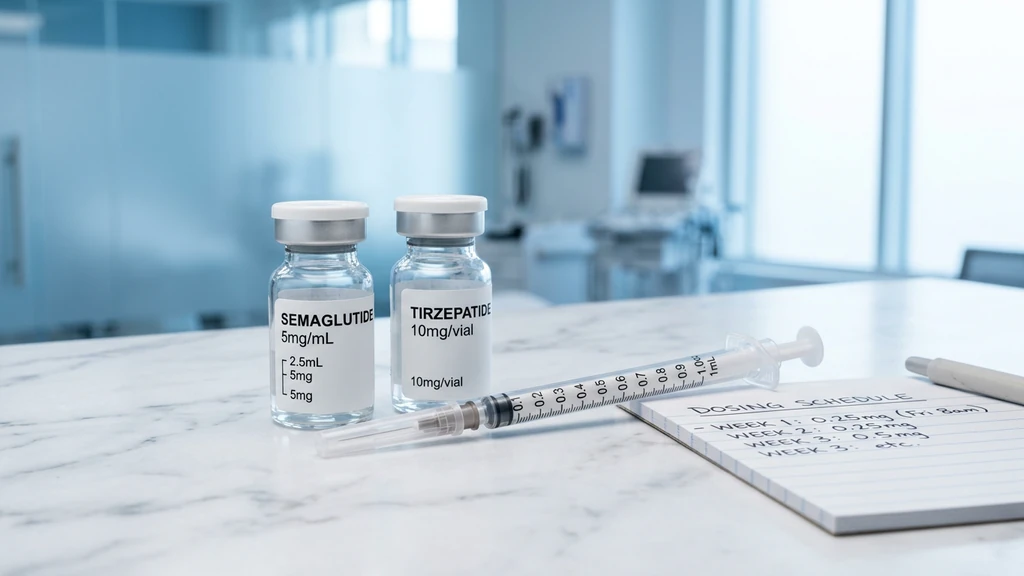
Step 1: Determine Your Target Concentration and Total Dose First, you need to decide what concentration you want your final solution to be, and what total dose you're aiming for in your research
Hormones also play a role in controlling lipolysis
In pulmonary fibrosis, alveolar type II epithelial cells generate foam cells and release them into the distal lung space in response to injury (Romero et al., 2015)
BPC-157 was originally studied for its ability to heal ulcers, inflammatory bowel conditions, and intestinal damage
Inflammatory mechanisms linking obesity and metabolic disease