The most frequent causes include liver disease (which releases stored B12), vitamin B12 supplementation, renal impairment reducing clearance, and non-malignant haematological disorders
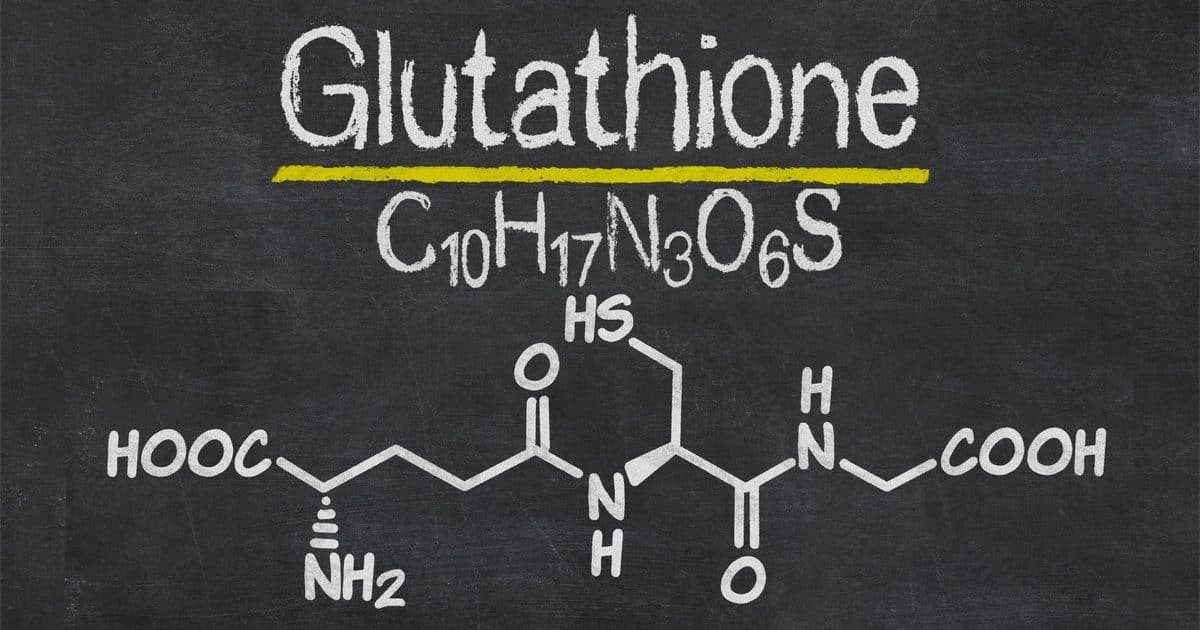
ng thi, qu trnh tiu ha s chia nh Glutathione thnh cc acid amin bi cc enzym, vi khun trong d dy v chuyn i chng thnh mt dng khng thun li cho c th
Sleep is disrupted by 3 a.m
Key Takeaways The Science: BPC-157 works through multiple interconnected mechanisms including NO modulation, growth factor upregulation, FAK-paxillin pathway activation, and GABAergic system interaction The strongest research evidence supports applications in gastrointestinal healing, followed by tendon and ligament repair Animal studies consistently show remarkable safety profiles and healing acceleration The lack of human clinical trials remains the most significant limitation Practical Considerations: Administration can be via subcutaneous injection or oral/sublingual routes Dosing typically ranges from 250-500mcg, 1-2 times daily Side effects are reportedly mild and uncommon Quality and purity vary significantly between suppliers Important Limitations: Not approved for human use by any regulatory agency Most research originates from a single research group Long-term effects in humans unknown Individual results may vary significantly from research findings The Path Forward For those interested in BPC-157, approaching this compound with informed caution is essential

Comprehensive evaluation helps identify contributing factors that need direct treatment
Lets take a closer look at GHK-Cu and how it works: GHK peptide bound to copper was first discovered by Loren Pickart in the 70s