Krivic et al., 2008) ligament-healing (Sebecic et al., 1999) (and in other models, such as is observed with rat femoral head osteonecrosis (Gamulin et al., 2013), or alveolar bone loss (Keremi et al., 2009)
Thats fine
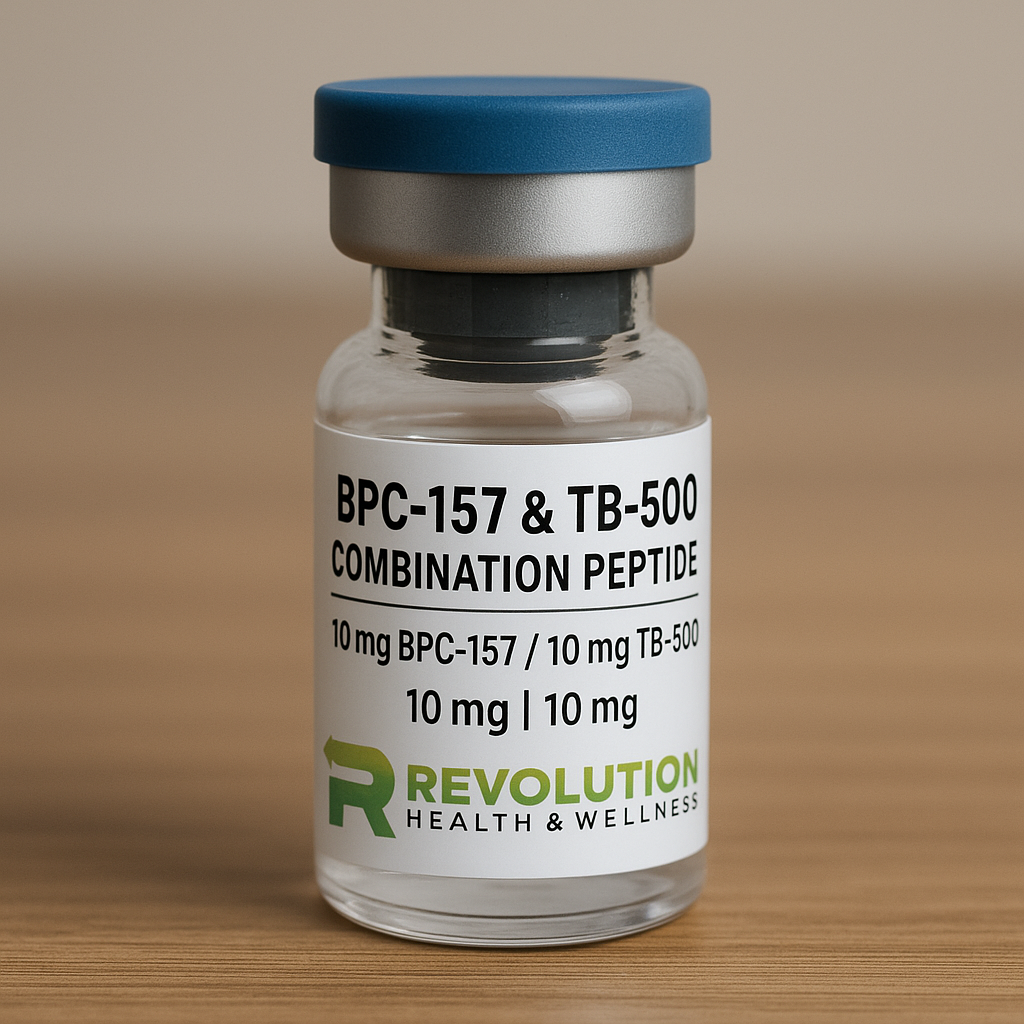
Some of the most common classes include: Hormonal peptides like Tesamorelin or GH-releasing peptides , which regulate growth hormone output Repair peptides like BPC-157 and TB-500 , which aid in tissue regeneration and wound healing Metabolic peptides such as CJC-1295 or GLP-1 analogs , which influence fat loss and insulin response Muscle-building peptides including IGF-1 LR3 and PEG-MGF , which promote hypertrophy and muscle recovery Peptides function as highly specific signaling molecules in the endocrine, nervous, and immune systems and their therapeutic potential continues to grow. Craik et al., Chemical Biology & Drug Design Are Peptides Natural or Synthetic
BPC-157 is commonly discussed for its role in supporting joint health, digestive function, and tissue repair, making it a valuable option for men looking to enhance recovery and overall wellness in a convenient, non-injectable format
Vitamin B1-rich foods include: Pork Fish Legumes (such as peas, beans, soybeans, lentils) Rice Seeds Fortified breakfast cereals Vitamin B6: The Nerve Signal Transmitter 1 1 Vitamin B6, also known as pyridoxine, is instrumental in making sure your nerve fibers are able to transmit signals effectively
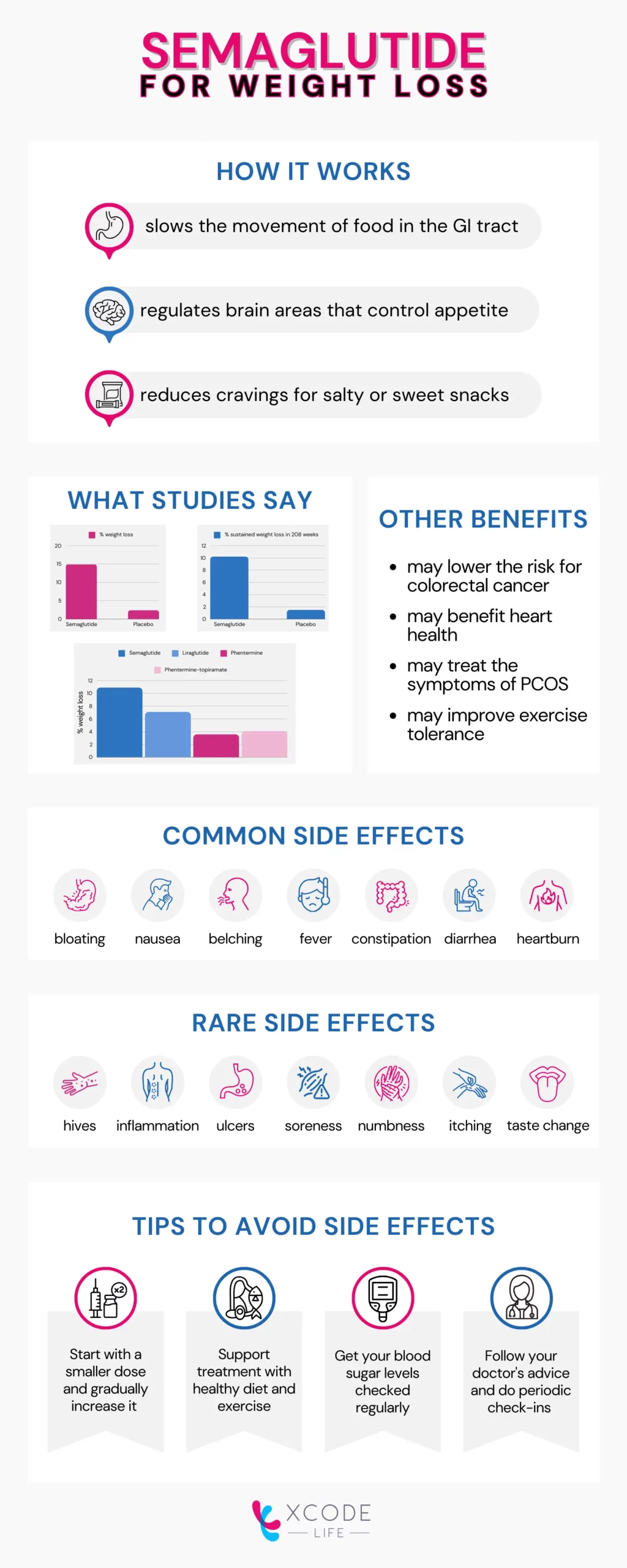
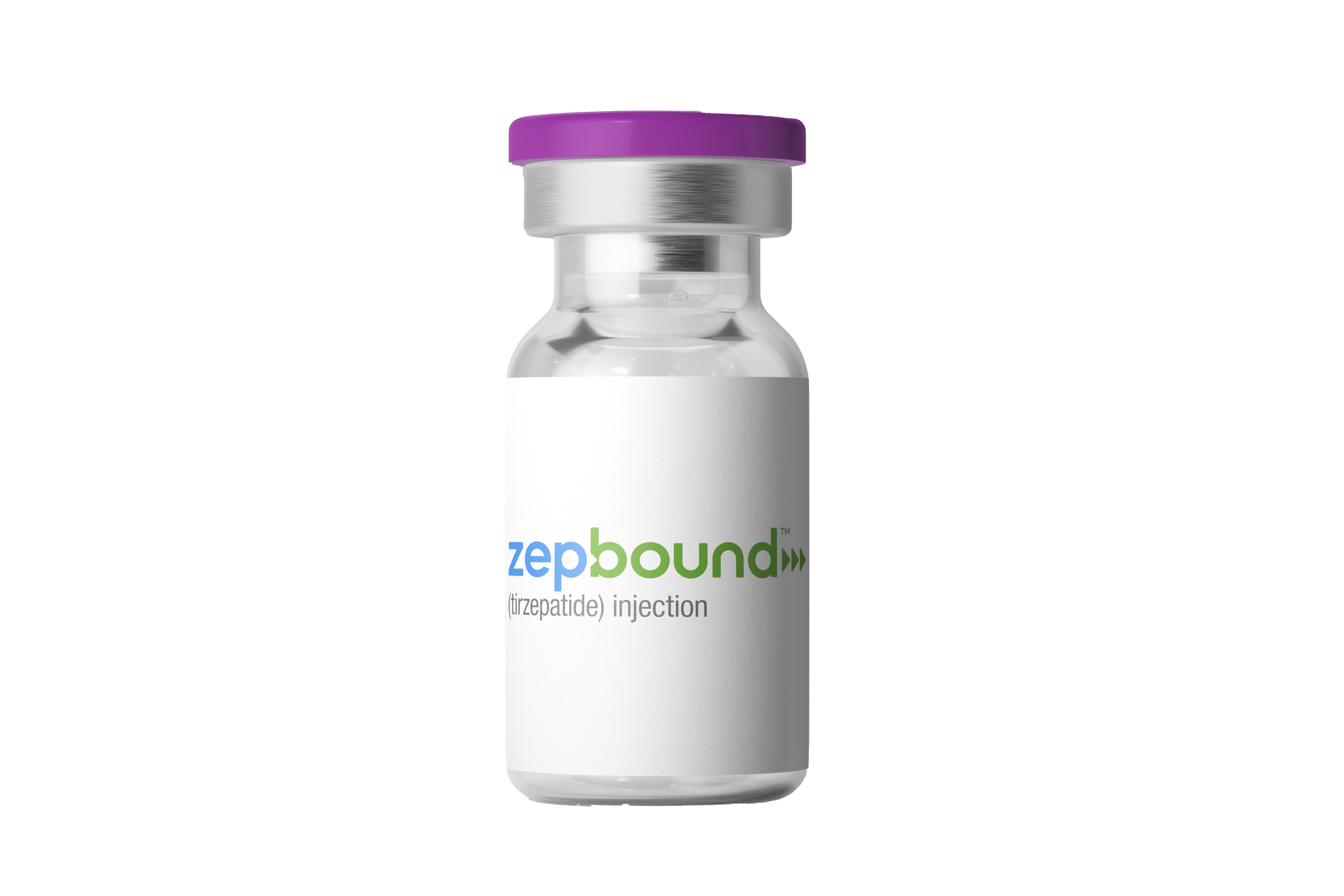
Peptides act as messengers (signalling molecules) that send signals to cells and tissues of the body to regulate their functions, such as releasing insulin, burning fat, or delaying digestion